Garment applications

Kaihara apparel fabrics selected through the end use

Silhouette, wash program, wear pattern, care route and visual direction determine which construction fields matter. The application guide translates those conditions into a fabric and sample brief.

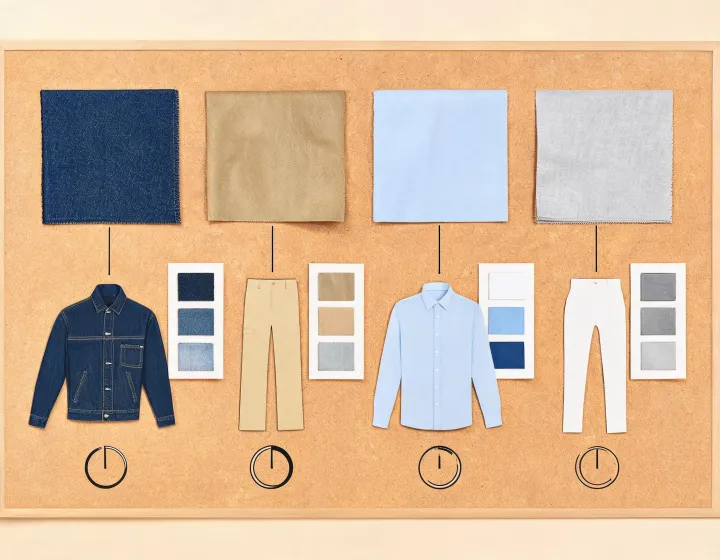
Denim and apparel fabric application board
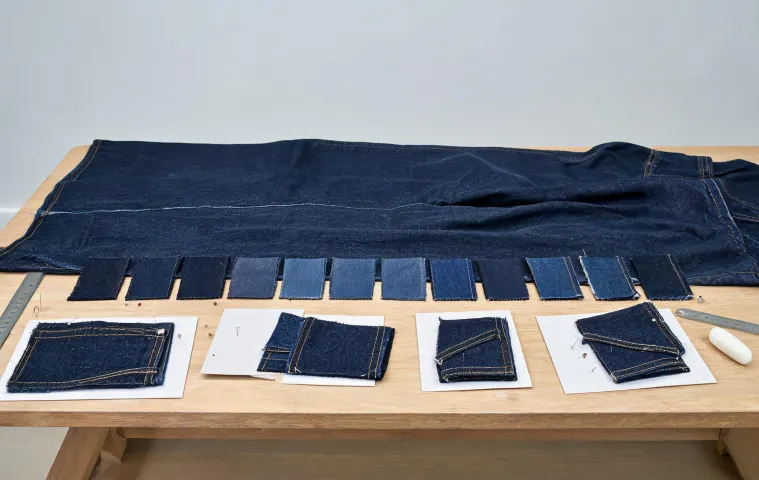
Rigid denim garment development

Premium Denim

Rigid and comfort constructions require a clear warp and weft description, yarn count, twill direction, GSM, usable width, shade standard, shrinkage and finishing route. Garment wash can materially change handfeel and appearance, so the selected construction must be tested in the intended wash sequence.

Brief fields
Fit, target weight, surface character, indigo shade, wash route, seam and label requirements.
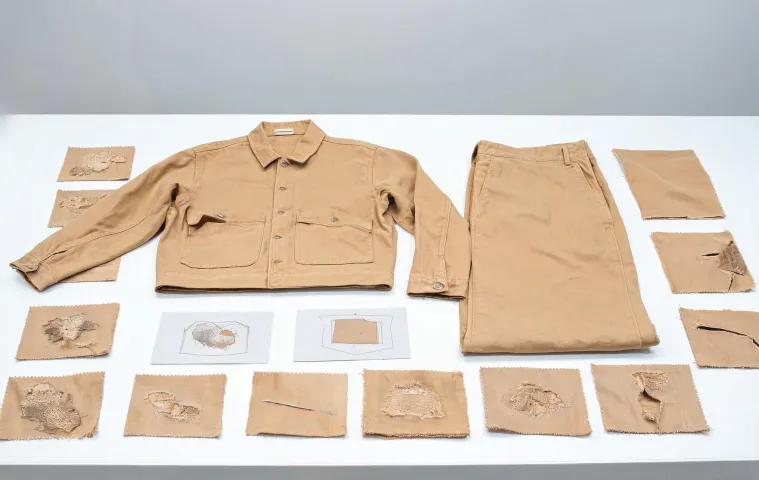
Workwear twill garment

Workwear & Uniforms

Repeated wear, laundering, color consistency and garment reinforcement influence the fabric brief. Tensile strength, tear strength, colorfastness and dimensional stability need named methods and a specimen that matches the supplied article.

Brief fields
Duty cycle, laundering, construction, GSM, color, finish, reinforcement zones and target test methods.
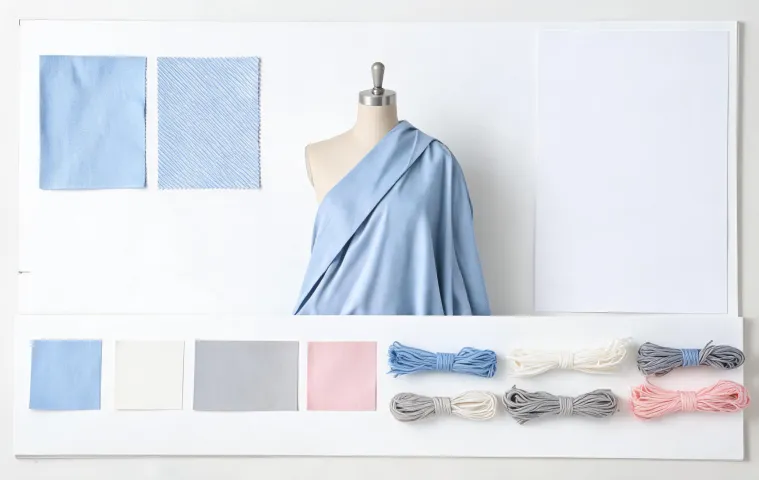
Fashion woven apparel development

Fashion Wovens

Drape, opacity, surface, color and usable width interact with cutting efficiency and garment feel. A lightweight article may need careful review of skew, pilling, shrinkage and seam performance rather than a single durability headline.

Brief fields
Silhouette, drape, opacity, yarn and weave, GSM range, finish, width and care instructions.
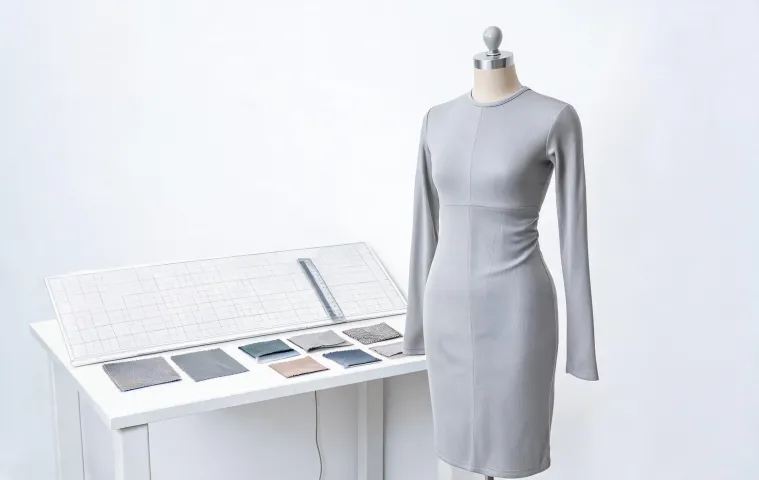
Stretch apparel fabric fitting trial

Stretch Apparel

Fiber blend, stretch direction, recovery, heat exposure and wash conditions change how a fabric behaves after sewing. Laboratory extension data is only one input; panel, seam and garment-wash trials remain necessary for the intended fit.

Brief fields
Movement zone, elongation direction, recovery expectation, GSM, heat route, wash and finishing.

Selection guide

Resolve the trade-offs before requesting color

Color is easier to evaluate when the underlying construction and finishing route are stable.

Rigid character or stretch comfort?

Rigid denim can preserve a defined twill and break-in character, while elastane blends add mobility. Stretch composition, recovery, heat and wash conditions introduce additional dimensional variables.

Deep shade or lower crocking risk?

Indigo depth and surface dye can influence dry and wet rubbing behavior. Shade, dyeing route, finishing and garment wash need review together; no colorfastness grade is assumed across all shades.

Heavy hand or garment efficiency?

Higher GSM can support structure and abrasion screening but affects drape, sewing, drying and wearer comfort. The useful range comes from the silhouette and service conditions.

Sample appearance or lot consistency?

A handloom or lab dip guides development, while a production dye lot confirms bulk shade and finishing. Tolerances and lighting conditions belong in the approval record.

Application limits: garment wash can shift shade and dimensions; finish changes can alter handfeel and test behavior; different colorways may return different results; fabric-level evidence does not replace a finished-garment trial.

Start with the garment and wash route

Share the silhouette, construction direction, test needs, quantity and delivery market.

Submission is subject to our Privacy Policy.