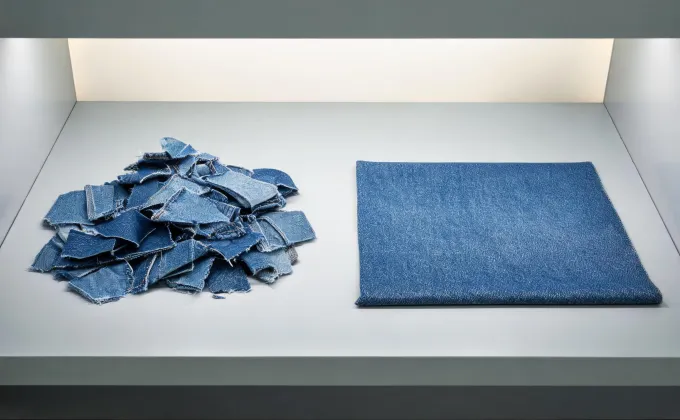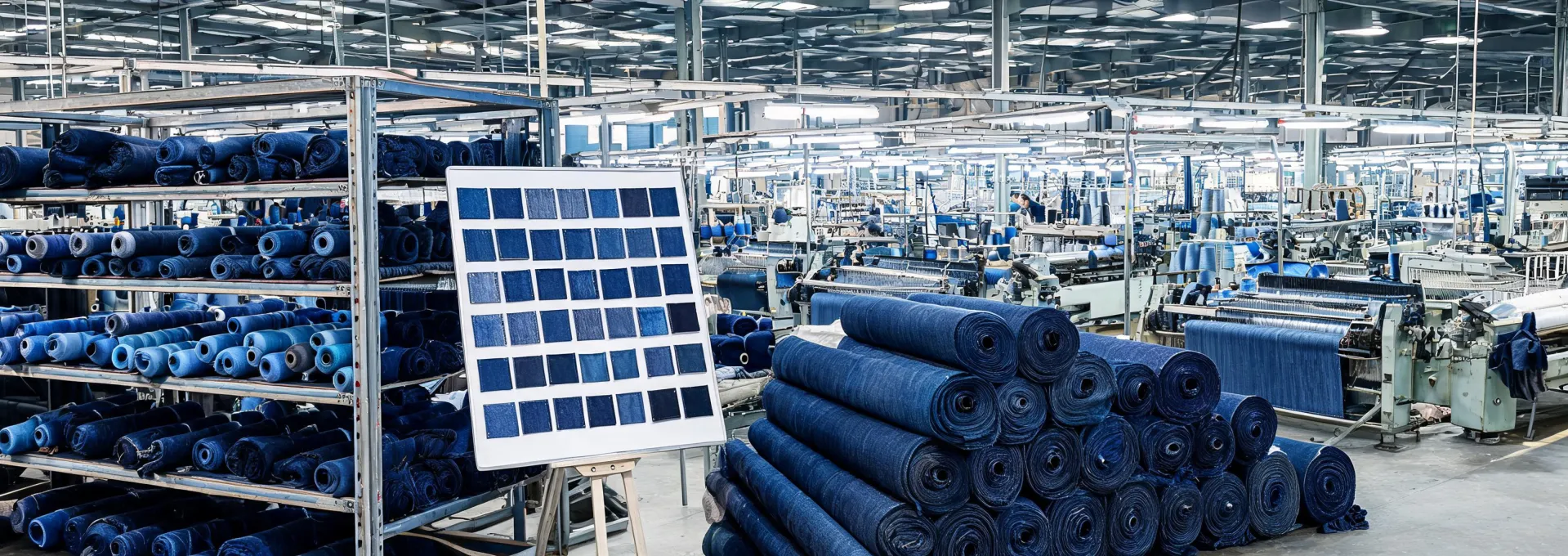
Apparel fabric sample room beside weaving operations

Structured mill-floor confidence

About Kaihara and the discipline behind an apparel fabric approval

The working culture keeps construction, shade, finishing and evidence connected as a material moves from development to a production lot.

Mission

Make the approved fabric unambiguous

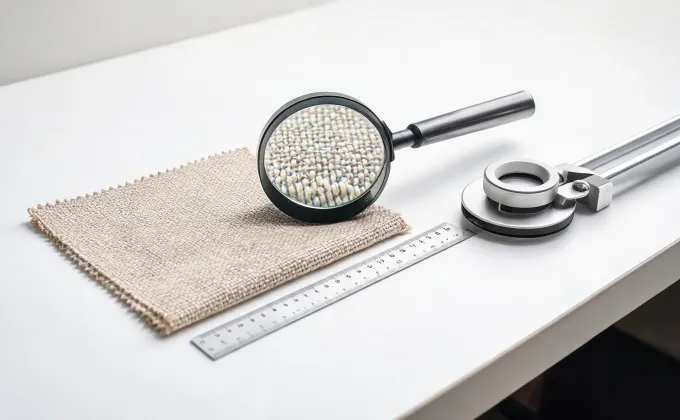
Kaihara organizes apparel fabric decisions around fiber content, yarn count, warp and weft construction, GSM, usable width, shade, finish and the test methods requested by the buyer. The purpose is to reduce gaps between a creative brief and a purchase specification.

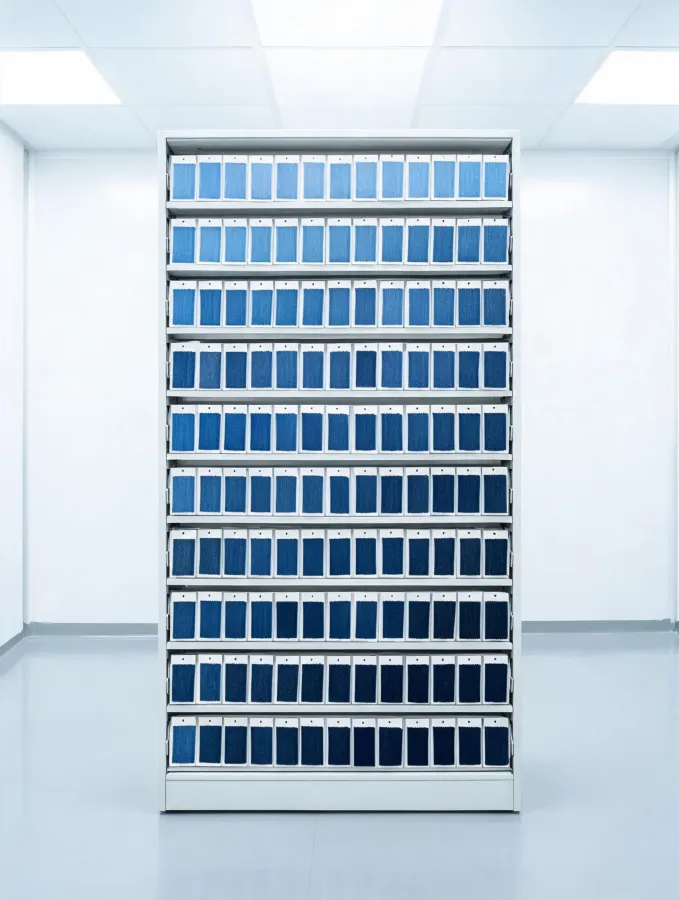
A sample record states whether the approval concerns structure, color, handfeel, wash appearance or production-lot conformity. This prevents a lab dip or early handloom from being treated as evidence for every property of bulk material.
Operating view

Preserve context through every change

Denim and woven apparel fabrics can change when yarn source, weave settings, color route, finishing, stretch component or wash sequence changes. The relevant comparison and evidence must therefore follow the exact article rather than a family name.

Certification, regulatory and test documents are reviewed by issuer, entity, product scope and validity. Brand configuration does not provide an active certificate list, so this site describes document controls without presenting a certificate as currently held.

Working principles

Four habits on the sample floor

A

Measure the structure

Construction data accompanies visual and tactile review.

B

Name the standard

Every performance request includes a method and specimen.

C

Separate approvals

Color, handloom, finish trial and bulk lot remain distinct.

D

Record deviations

Yarn, shade, finish and tolerance changes stay visible.

Bring a fabric program to the review table

Provide the garment use, construction target, sample stage and commercial constraints for a documented next step.

Submission is subject to our Privacy Policy.